
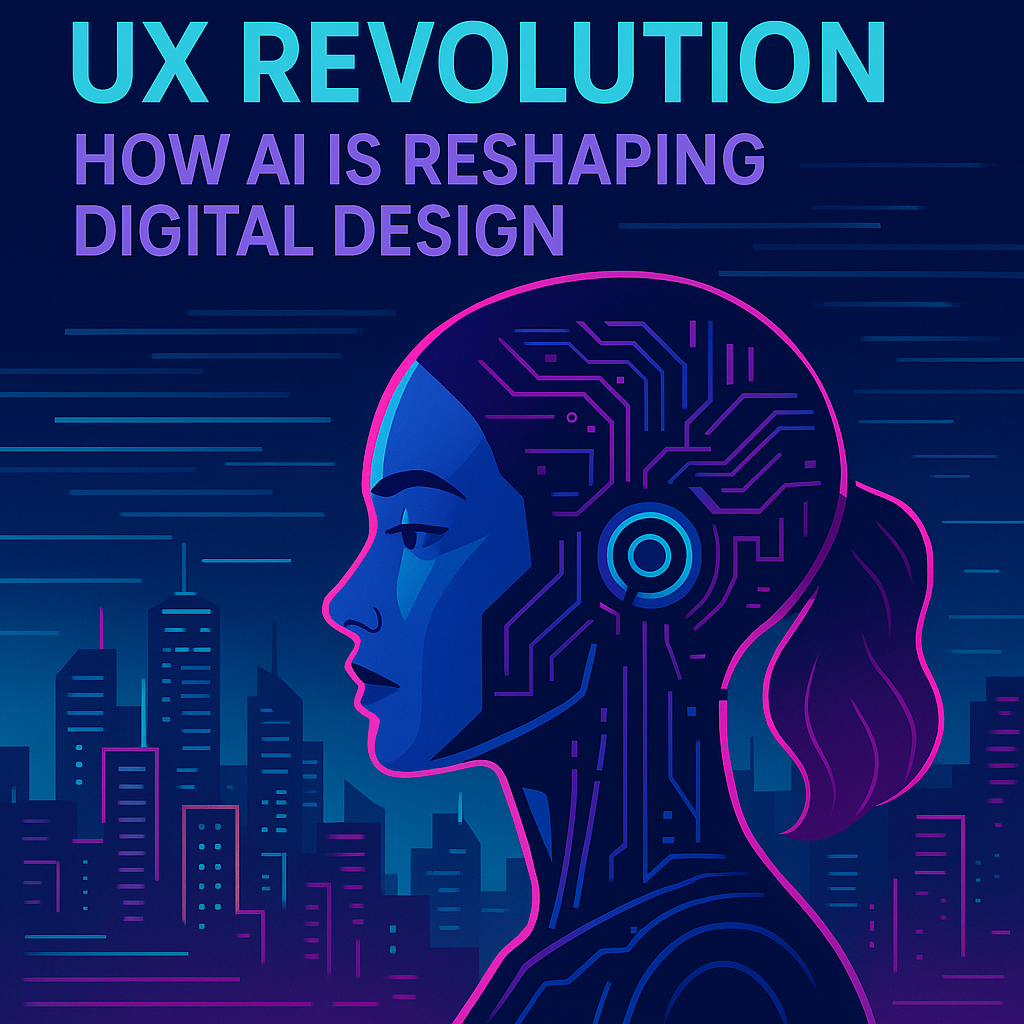
UX Trends for a New Era
Hey everyone, I wanted to share some fresh insights from my inbox over the last 24 hours that reflect the evolving world of UX and digital product design. One standout source is Nielsen Norman Group’s recent roundup of the Top 10 UX Articles of 2025. It’s fascinating to see topics like “UX Reckoning” and “UX Is Dead, Long Live UX” exploring the major shifts in our industry, particularly how artificial intelligence is reshaping our traditional design paradigms.
The articles make a compelling case for why adapting to AI is no longer optional—it’s essential. Whether it’s updating design skills or embracing new visual trends like neobrutalism (yes, it’s a thing!), these insights encourage us to stay curious and agile. It’s a reminder that as designers, we need to be ready to pivot and evolve alongside emerging technologies.
Making AI Transparent and Trustworthy
Another gem is the piece on Explainable AI in Chat Interfaces by Megan Chan. This article dives into the art (and science) of making AI decisions clear to users—a crucial topic if you’re building chatbots or any interactive AI system. I particularly liked the emphasis on balancing transparency with usability; after all, we all want our users to understand how decisions are made without needing a PhD in computer science.
Megan’s insights unpack methods like source citations, step-by-step reasoning, and even clarifying disclaimers (though, admittedly, anthropomorphising AI seems a bit off the mark). It’s a good reminder to keep our designs honest and user-friendly, especially as AI continues to integrate deeper into our work.
Upskilling with Practical Courses
Finally, if you’re itching to dive deeper into AI in design, NN/g have rolled out some exciting courses slated for January and February. From AI for Design Workflows to the more in-depth Designing AI Experiences, there’s plenty to choose from. These courses are a smart way to keep your skills sharp and learn practical tips that you can apply right away.
For those of us always seeking a little extra insight (and a few new techniques), these learning opportunities are worth checking out. They offer not just theory but actionable strategies to integrate AI more effectively into your product design processes.