
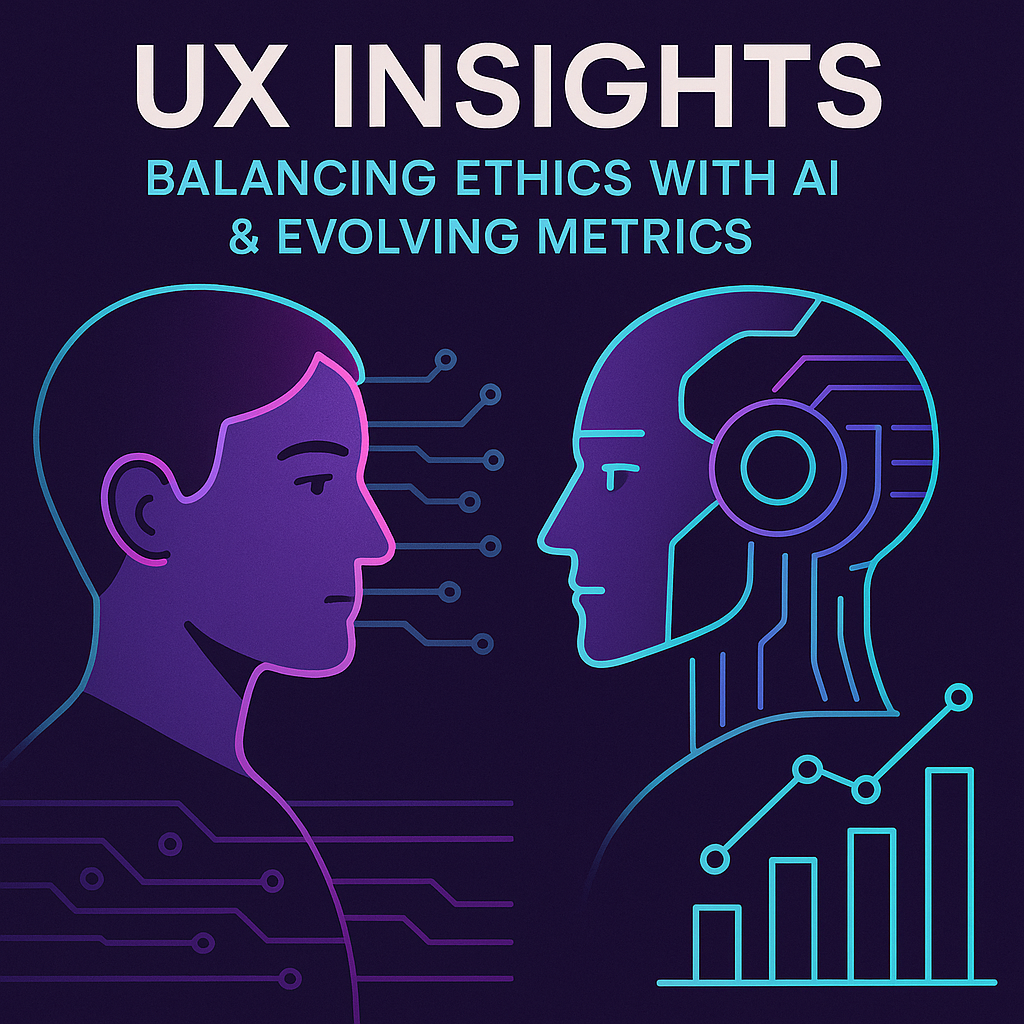
UX Research with Minors: Balancing Consent and Assent
I recently dug into an insightful piece by Kate Kaplan on the challenges and nuances of conducting UX research with minors. It really got me thinking about how we designers ensure ethical practices (and I must say, it’s not as straightforward as it seems!).
The article, UX Research with Minors: Consent vs. Assent, explains that because minors can’t legally consent, you need both parental consent and the child’s own assent. This approach isn’t just a legal formality—it reminds us that designing for children requires age-appropriate language and context, ensuring that the experience is both safe and respectful. It’s a brilliant call to tailor our methods, from engaging visuals to simplified scripts, for varying developmental stages. In short, ethical design is as much about process as it is about product.
This piece is a timely reminder for designers to review how they engage with younger audiences and to consider how these ethical principles might be applied to any marginalised or at-risk user groups in our projects.
AI in UX Consulting: Striking the Right Balance
Another update came from Anna Kaley’s deep-dive into what clients expect from UX consulting in the age of AI. It’s clear that while AI is reshaping our field, human judgement remains irreplaceable!
In her article, What UX Consulting Clients Expect in the Age of AI, Anna advises us not to get carried away by the endless options generated by AI. Instead, she reminds us to synthesise insights and offer clear, well-researched recommendations. AI tools can offer speed, but they often miss the underlying context, such as legal and organisational constraints, that a seasoned designer would note. It’s a great nudge for us all to find the sweet spot where technology complements our creative process without overwhelming it.
The takeaway? Leverage AI as a supporting tool and always prioritise real user needs over a flood of automated solutions.
Evolving Service Design Metrics for the AI Era
Rounding off the updates, Sarah Gibbons’ 4-minute video on Service Design Metrics Shifting piqued my interest. As AI becomes a cornerstone in delivering services, it’s fascinating to see traditional metrics evolve.
The video highlights that we now need to assess AI-to-AI performance, human-AI collaboration, data quality, and user trust—areas that were rarely discussed a few years back. I found this particularly relevant for digital product designers, as these new metrics can guide us in balancing efficiency with the subtleties of human interaction. It’s all about ensuring that, even amidst rapid technological shifts, the user’s experience (and trust) isn’t compromised.
For those of us striving to stay ahead of the curve, keeping an eye on how these evolving metrics can be integrated into our projects may well determine our success in the future.