
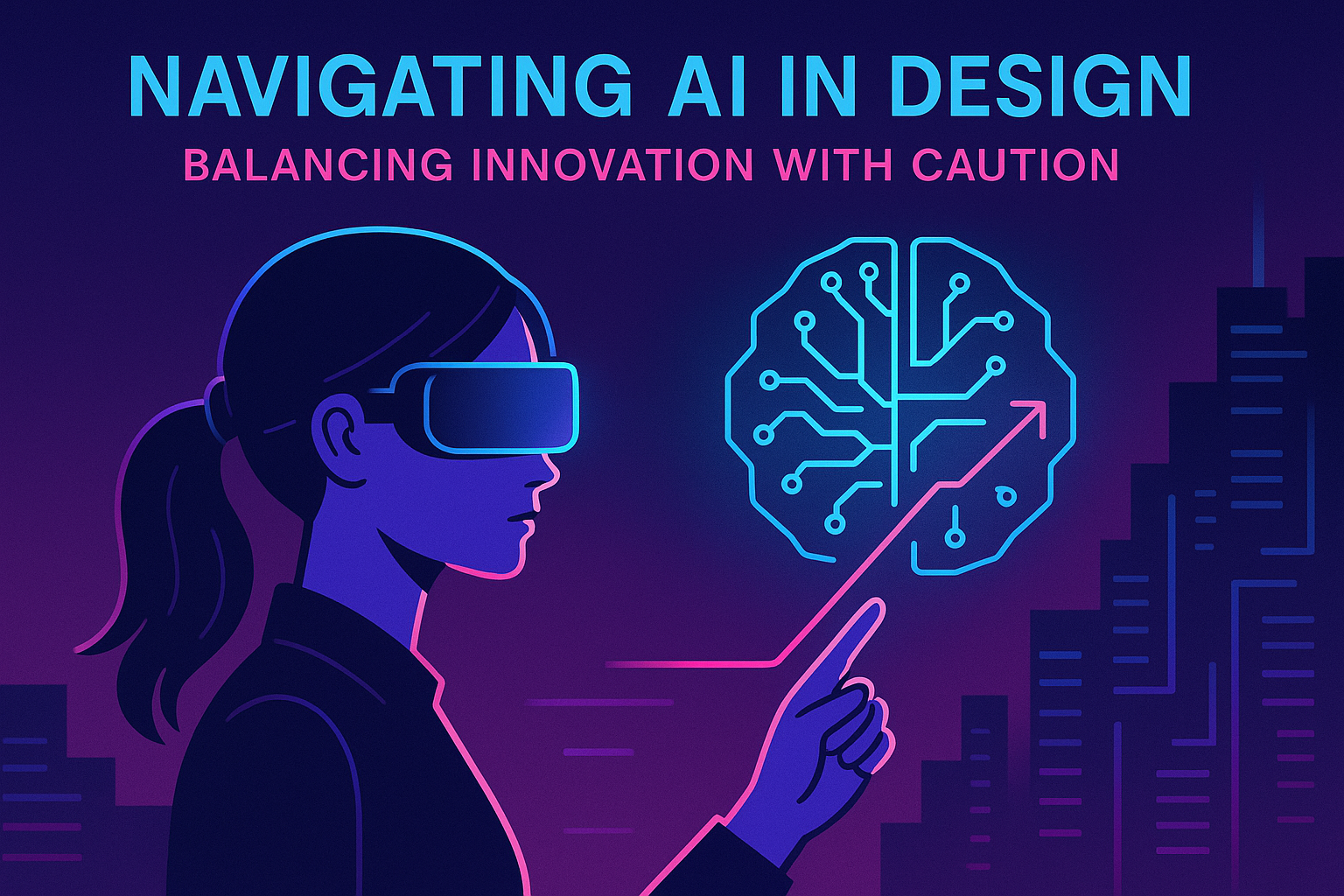
Navigating AI’s Double-Edged Sword
Good morning, fellow design enthusiasts. I recently came across Dario Amodei’s thought-provoking essay on AI’s potential dangers and rewards—an eye-opener for anyone juggling design, technology, and business. His piece, aptly titled “The Adolescence of Technology,” dives into issues from job displacement to the economic traps that AI promises, which might someday reframe how we approach digital product design.
Dario warns that while AI brings incredible opportunities, it also poses major risks like workplace disruption and even the emergence of AI-powered monopolies. For us, as UX designers and product pros, the takeaway is clear: we need to balance innovation with risk management, ensuring our projects are both creative and sustainable. You can read his full essay here.
This thoughtful reflection reminds us that every new tech breakthrough calls for a healthy dose of caution, especially when designing products meant to improve everyday user experiences.
Integrations and Innovations: Enhancing Workflow
In a world where efficiency often equals competitive edge, the latest updates from Anthropic have caught my eye. Their new interactive apps integration within the Claude AI assistant lets you use familiar tools like Asana, Figma, Canva, and Slack directly in one place. This streamlines workflows significantly—imagine not having to switch between apps mid-design session!
Such integrations are more than just neat features; they represent a shift in digital product design where context is key. With seamless tool connectivity, designers can focus on creativity rather than toggling through multiple interfaces. Thanks to Anthropic’s implementation, workplace tools are becoming smarter and more interconnected.
For anyone keen to see how these innovations can impact your workflow, check out the detailed rollout here.
Building Smarter Design Systems with AI
If you’ve ever wrestled with design systems, you’ll appreciate a recent guide on how to build your own system using AI. This resource walks you through creating a simple portfolio website with the help of tools like Codex and Claude, putting a modern spin on traditional workflow setups.
The step-by-step instructions—from generating a custom design system at ui.shadcn.com/create, to scaffolding the project with a few terminal commands—make it an accessible approach even if you’re not a coding guru. It’s free-flowing and practical, ideal for design professionals seeking to streamline their prototyping process.
By blending conventional design principles with modern AI capabilities, the guide offers a fresh way to handle design systems (and yes, you can even integrate some cheeky pro tips for further automation!).
Tech Updates: Pushing Boundaries
Last but not least, I couldn’t help but note Microsoft’s new Maia 200 AI chip announcement. Though it’s a bit on the technical side, this breakthrough chip promises more efficiency and positions Microsoft as a key player in the evolving AI hardware landscape. For us digital product designers, these underlying tech advancements mean better support for the AI-driven tools we’re increasingly relying on.
In essence, whether you’re tweaking digital products or re-thinking entire design systems from the ground up, staying informed about these technological shifts is more important than ever. Dive into the details on Microsoft’s site here and consider how these innovations might future-proof your design strategy.