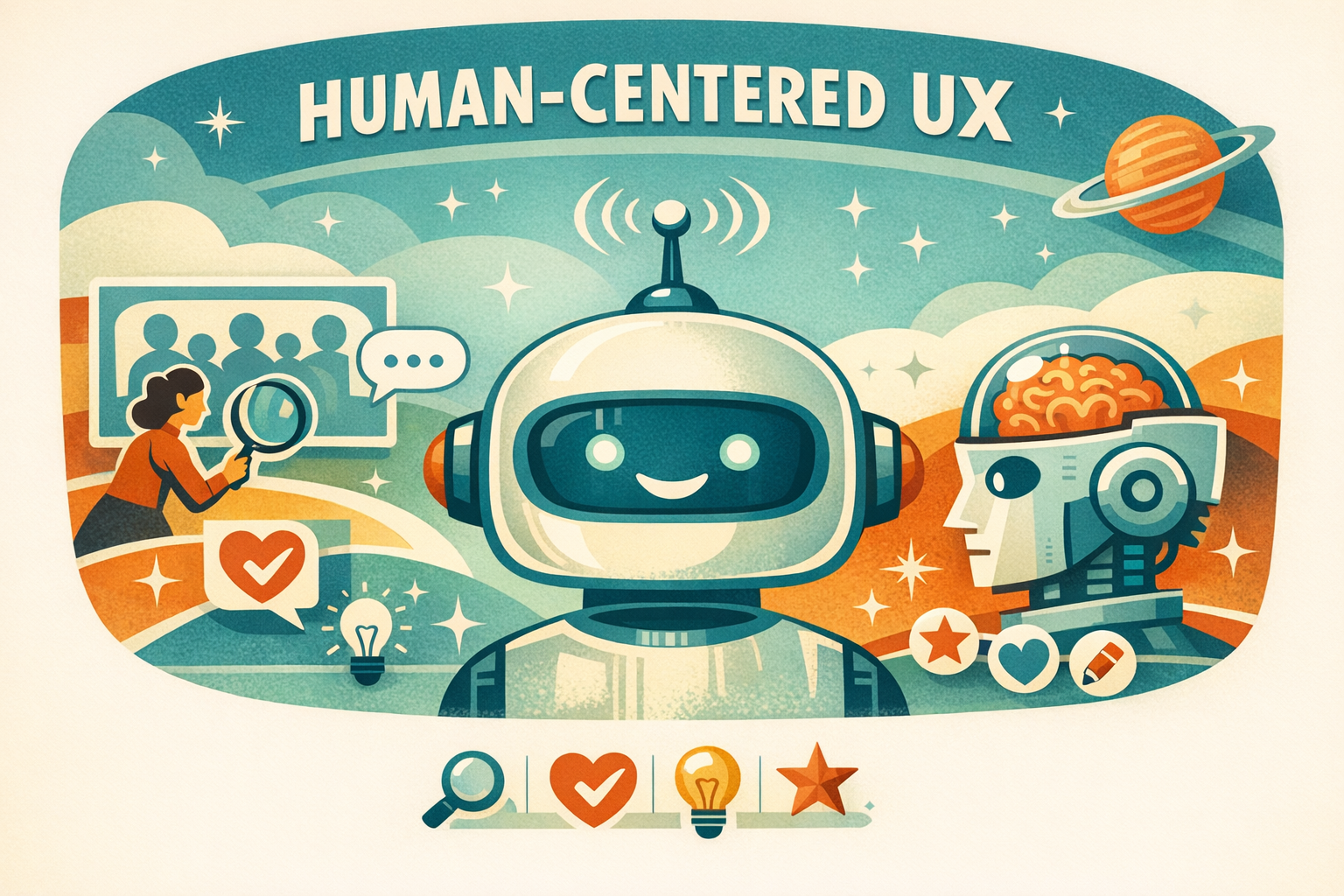
Chatbots with a Human Touch
I’ve been mulling over how AI is revolutionising design, and one standout insight comes from Nielsen Norman Group’s piece on 10 Guidelines for Designing Your Site’s AI Chatbots. The article suggests that vague greetings won’t cut it anymore—you really need to signal capabilities upfront and even tailor suggested prompts to what users are doing at that moment.
The guidelines reinforce a design ethos that feels very human: your chatbot should remain on the page, remember context, and reduce user effort by offering clickable options rather than expecting users to type out everything. It’s a neat reminder that in our chase for automation we mustn’t lose sight of the user experience.
Keeping Research Panels Fresh
Another topic that caught my eye was a discussion on user panels from NN/g’s article Why User Panels Fail. Panels can be a brilliant tool for UX research, but they require regular maintenance to keep participant data relevant and responses genuine.
The write-up stresses that loyal users might not represent your entire audience—so it’s important to periodically audit panels for new markets and demographics. Whether you’re new to UX research or a seasoned professional, it’s a good reminder to keep your research methods as agile as the design process itself (and perhaps even schedule a regular “panel check-up”!).
Leveraging AI Responsibly in UX Analysis
On the tech side, NN/g also released a concise video on Using AI Responsibly in Analysis. As someone who loves unpacking complicated concepts into relatable ideas, I found it particularly useful. The video outlines how AI can assist in articulating UX strategies like visions, goals, and even OKRs in plain language.
For those of us relying on AI tools, it’s a timely reminder to remain critical—after all, no AI tool can replace a human’s touch, especially when it comes to creative problem-solving and empathy in design.
Nailing Icon Design for Better UX
Even the small things count—this holds true for icons. Nielsen Norman Group’s promo for a self-paced course on Designing Icons really drives home the idea that a poorly chosen icon can muddle your whole interface. It’s not just about aesthetics; icons need to function seamlessly within larger brand systems.
If you’ve ever spent ages tweaking a design element only to realise it’s throwing off your entire visual harmony, you’re not alone. This is a small but vital part of our craft that merits just as much attention as broader digital trends.