
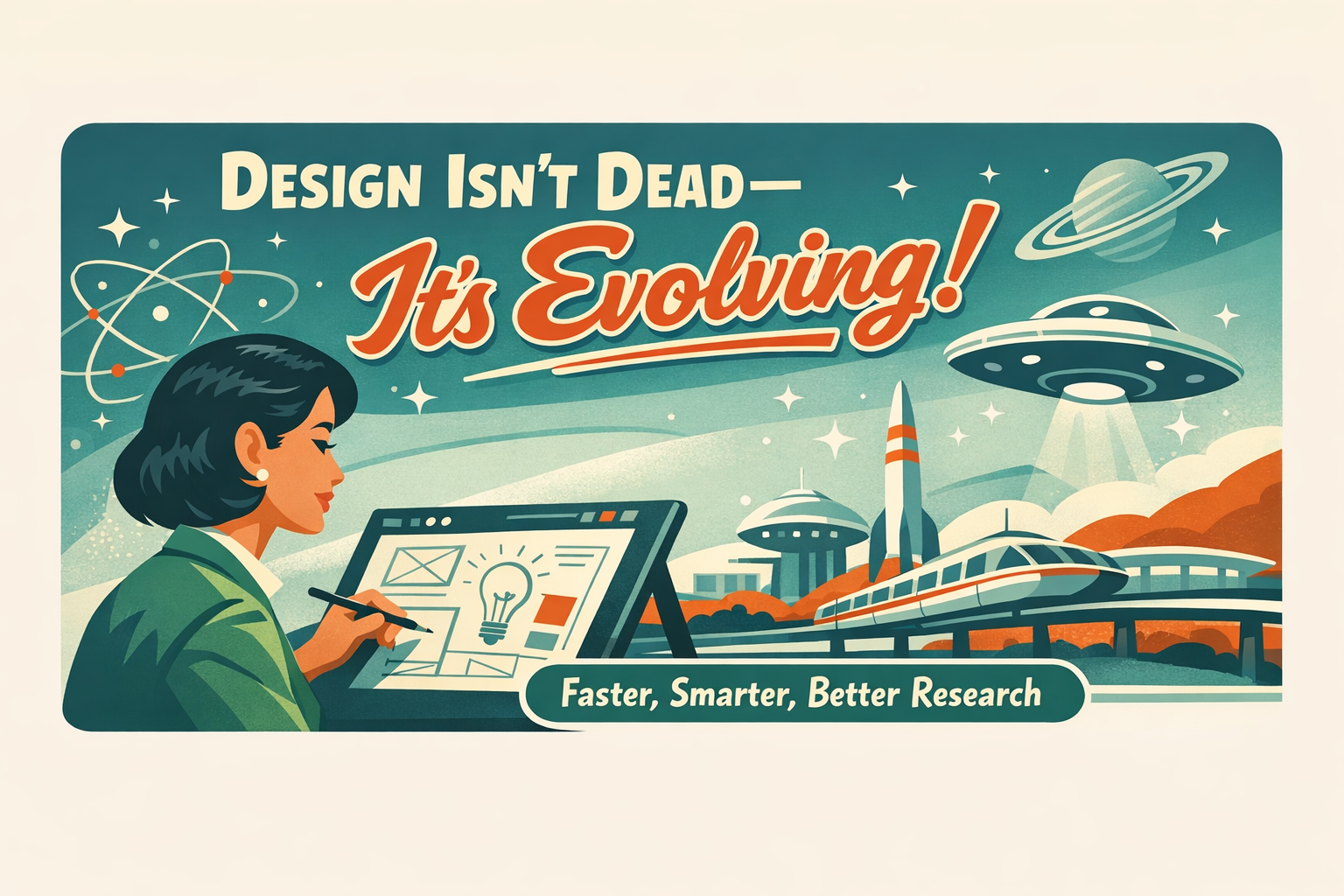
The Design Process: Compressed but Very Much Alive
I’ve been mulling over the classic debate: is the design process dead? After browsing through recent insights from NN/g – specifically, the article “Design Process Isn’t Dead, It’s Compressed” – I realised that the idea of a dying design process is simply a myth. Experienced designers aren’t abandoning the process; instead, they’re streamlining it, relying on years of internalised research and intuitive pattern recognition. It’s not magic, but rather the practical distillation of robust practice.
What really struck me was the notion that when you see a brilliant solution emerge, you’re witnessing years of mastery compressed into a few decisive moments. For many modern design teams, meeting tight deadlines means they choose their approach with precision – whether it’s a discovery sprint or rapid prototyping – instead of waiting for some ideal method to unfold. So, rather than mourning lost steps, we ought to celebrate the efficiency and flexibility of today’s design methodologies.
Rethinking Research Tools in the AI Era
Another email topic that got my attention was about the pitfalls hidden in our research tools, explained well in “The Methodological Problems Hiding in Your Research Tools” by Maria Rosala. It’s a reality check: many of our trusty UX research platforms were developed without much input from the actual researchers using them.
This piece drives home a key point – AI has a knack for magnifying existing issues. When these tools autonomously plan, moderate, and analyse studies, any underlying flaws can simply swirl into larger problems. It’s a reminder to never take our tools for granted. I now make it a habit to question and vet every tool I use, ensuring their foundations truly reflect best practice. After all, a great tool is only as good as its design.
Visualising Data: The Unsung Hero of Decision-Making
Lastly, the idea of getting hands-on with raw data is something I’ve grown to appreciate, thanks to the brief but insightful video “Visualize Raw Data to Make Better Decisions” by Caleb Sponheim. At first glance, crunching numbers might seem tedious, but there’s real magic when you start drawing insights directly from raw data.
This approach, as highlighted in the video, can be the most valuable action in your design toolkit – it’s all about turning complexity into clarity. Whether you’re dealing with user research or evaluating design performance, spending time with your unfiltered data can unlock decisions that lend a competitive edge in a fast-changing digital landscape.
In short, these insights – from compressed design processes to questioning research tools and visualising raw data – are reminders that embracing change and maintaining a curious mindset really can make all the difference in our everyday design work.