
ChatGPT Goes Health – A New Frontier for Personalised Experiences
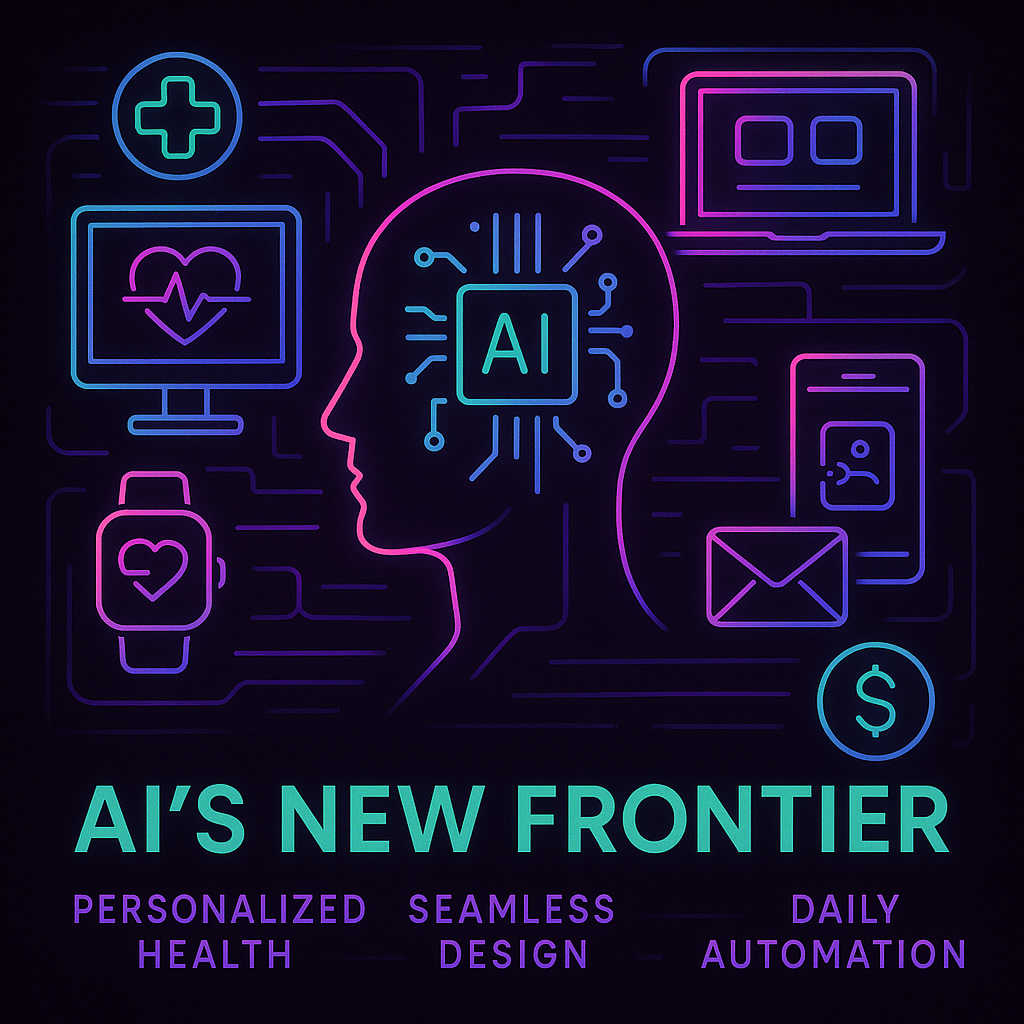
I’ve been reading some exciting industry news over the last day, and OpenAI’s push into healthcare really caught my eye. ChatGPT Health is all about pulling in your medical records and fitness data (think Apple Health, MyFitnessPal, and Peloton integrations) to offer tailored advice. As a UX designer, I can’t help but marvel at how this level of personalisation could transform the user experience in sensitive areas like health.
The idea that your chatbot conversation could be as custom as your morning coffee seems both thrilling and a little unnerving at the same time—especially knowing that OpenAI assures us of isolated memory and stronger encryption. More details are available on their official page at OpenAI’s website, and it certainly raises interesting questions about designing interfaces that manage both personal data and trust.
Scaling AI in Engineering – A Boost for Digital Product Design
If you’re curious about the practical side of AI implementation, Augment Code’s guide on “AI-Powered Engineering at Scale” is worth a look. It offers a playbook full of real frameworks from seasoned CTOs, ready-to-use checklists and assessment tools—all of which are golden nuggets for those of us busy with digital product design and looking to streamline our workflows.
This approach reminds me of how important it is for design professionals to adopt scalable solutions, not just for internal processes but also as part of user-centric products. You can download the full playbook from Augment Code’s site and get your team up to speed quickly. After all, why reinvent the wheel when there’s a proven framework at hand?
Prescription Automation & Multi-Device Experiences
In another intriguing update, Utah has become the first state to let an AI system legally renew prescriptions autonomously—allegedly matching doctors’ decisions 99% of the time. For anyone designing digital products, especially in health and wellness spaces, this is a landmark moment. It’s all about reducing friction (and maybe even a bit of red tape) while ensuring a safe, user-friendly process. You can read more about it on Politico’s website.
On the UX front, Lenovo’s new cross-device AI assistant Qira is another development to note. Designed to follow users across Lenovo PCs and Motorola phones, it aims to provide a seamless workflow that could inspire us to rethink how we design multi-device interactions. The merge of context-awareness and continuity is a dream for any designer looking to deliver a truly integrated user experience—details can be found on Lenovo’s press release.
Automating the Mundane – Chill and Let AI Do the Tedious Stuff
Lastly, a neat hack for those swamped by admin tasks: an easy-to-follow guide using Claude for Chrome to automate email expense tracking. By nudging your inbox and feeding data into Google Sheets, this tool shows how even mundane tasks can be turned into automated workflows. It might not be as glamorous as a new cross-device assistant, but it’s these little efficiencies that free up more time for creative work.
In a nutshell, today’s AI and digital product design updates offer plenty of inspiration—whether it’s integrating deeply personal data or automating repetitive tasks (thus leaving more mental bandwidth for design innovation). I’m excited by the possibilities and curious to see how these tools evolve. Stay tuned, and let’s keep pushing the boundaries of what great UX can achieve!