
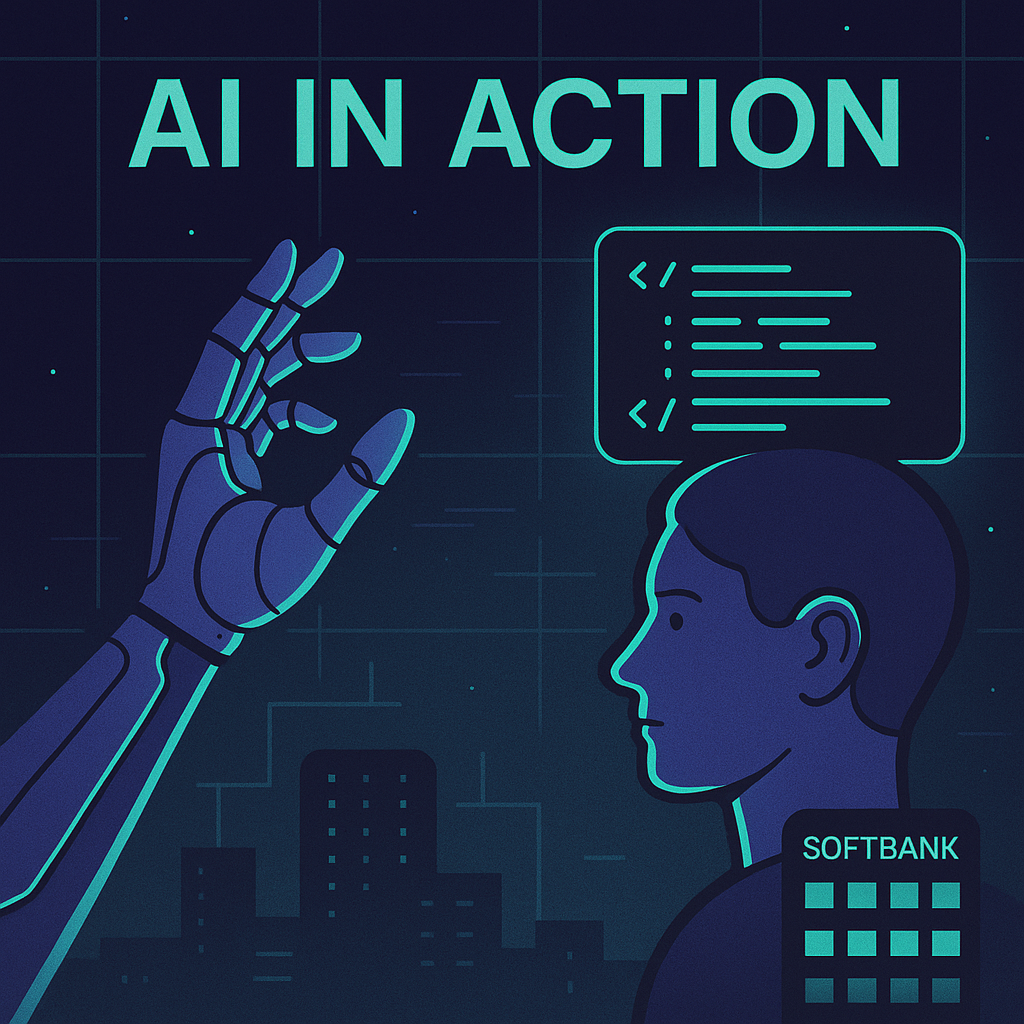
Meta’s Big AI Swing with Manus
This morning, I couldn’t help but be intrigued by Meta’s latest move. They’ve snapped up the AI agent startup Manus for over $2B (source). As a UX designer, it’s fascinating to see how big tech is evolving from flashy model breakthroughs to practical, revenue-generating tools. Manus offers autonomous agents that handle real-world tasks like deep research and coding, and their performance benchmark even tops Scale’s RLI metric. With these kinds of tools, our design processes may soon involve more automation that helps us deliver smarter, data-driven interfaces.
This acquisition seems to signal a more grounded phase in AI strategies, and it makes me wonder: how many design workflows could be streamlined with a bit of that advanced automation?
Designing with AI: The Cursor Editor
On the digital product design front, Cursor’s new visual editor is catching my eye (source). This tool lets you work on your HTML and CSS in real time, without the constant back and forth with something like Figma. It’s a straightforward, hands-on method for refining your site’s front end that appeals to both developers and designers.
Basically, you can open a project, get live previews, tweak elements via chat, and even save your progress with Git. This kind of interactivity is exactly what we need to speed up our experimentations and produce user interfaces efficiently. It’s a nifty fusion of code and visual design that might just change how we prototype future projects.
SoftBank’s Bold Investment in OpenAI
In parallel with Meta’s actions, SoftBank has completed a staggering $40B investment in OpenAI (source). This deal not only underlines the market’s belief in the longevity of these AI technologies but also hints at more real-world applications coming our way. As a designer, knowing that the AI tools we might soon integrate into our workflows are backed by serious financial muscle gives a bit more confidence in their stability and future development.
The emphasis here is moving from AI as a spectacle to AI as a tool that delivers substance—which is a narrative I often reflect upon when pondering the next steps in digital product evolution.
AI: From Spectacle to Substance
Finally, Satya Nadella’s recent outlook really resonated with me (source). He argues that the real progress in AI is shifting towards tangible outcomes over mere capability boasts. Think of it as moving from a tech show-off to a functional, integrated part of everyday work life.
This idea is compelling for design professionals like us because it underscores the importance of user-centric solutions. The next wave of innovation will likely come from systems that support our creative efforts rather than disrupt them. It’s a reminder to focus on how technology can enhance the design process and improve everyday user experiences.