AI in Your Pocket: The Rise of the AI Agent Phone
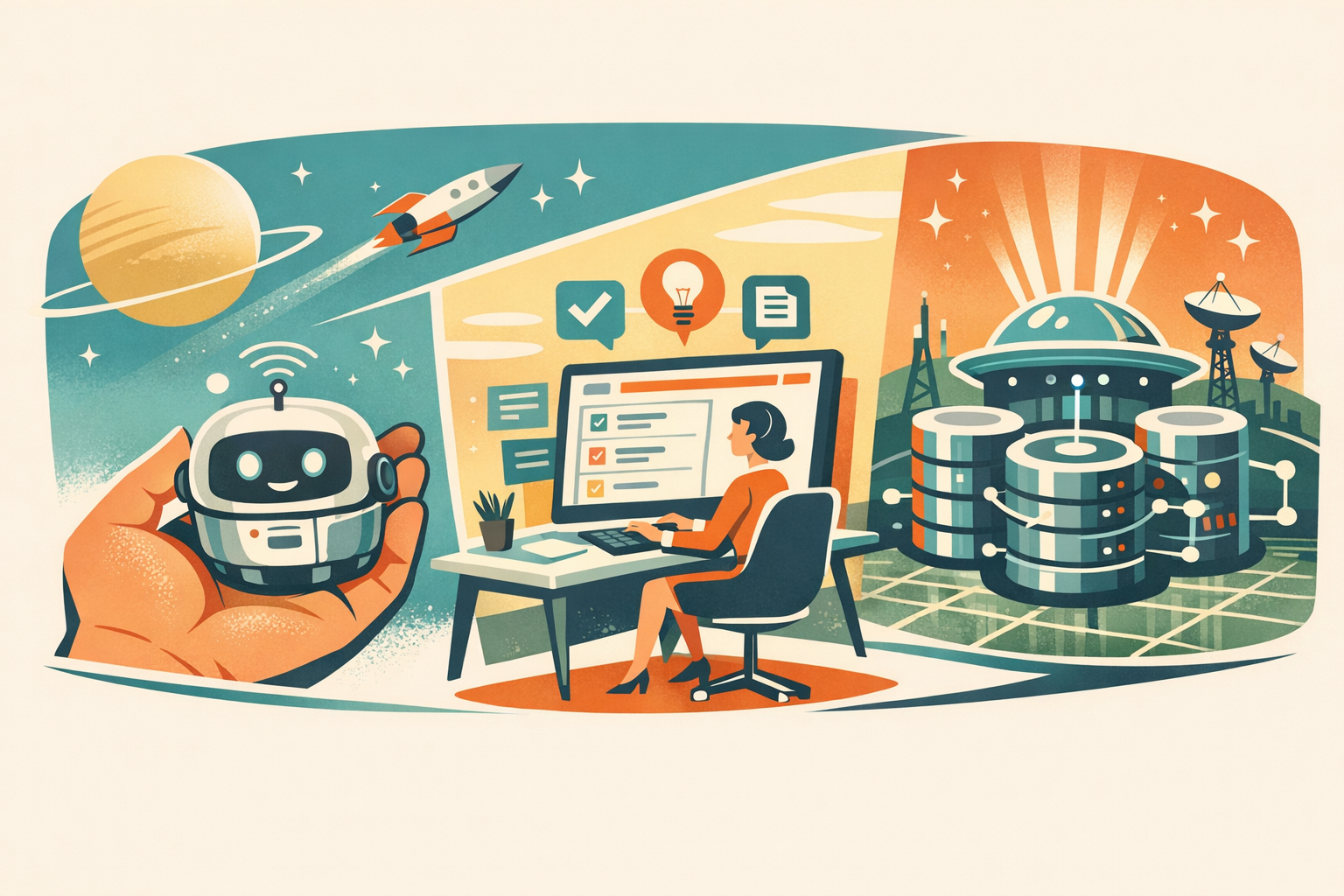
This morning, I was struck by some intriguing news from the AI world. OpenAI is reportedly fast-tracking its very first AI phone – an ambitious project set for mass production as early as 2027. Supply chain analyst Ming-Chi Kuo claims that the phone will pack advanced image processing hardware to boost the performance of integrated AI agents. It’s fascinating to think about a device that could make AI support literally portable for design professionals like us, who are increasingly reliant on data-driven insights on the go.
Details reveal that MediaTek is on board as the sole chip supplier, ensuring that both vision and language tasks are handled simultaneously – a potential game-changer in user experience design and digital product development. While this tech may seem distant to some, the idea of an AI-enhanced phone has clear implications for how we approach mobile interfaces and user interactions. For those keen to track this trend, you can read more about the developments on Ming-Chi Kuo’s update.
Designing for Efficiency: Autonomous Notion Agents
Not all AI news is about hardware – some of it directly boosts our digital workflow. A clever guide on making Notion agents more autonomous caught my eye today. By leveraging this hidden feature, designers can automate mundane tasks, generate reports automatically, and even plan out daily task flows. It’s all about working smarter, not harder!
This step-by-step guide walks you through setting up task-specific triggers in your Notion workspace so that it can deliver daily debriefs and weekly summaries. Improvements like these can really streamline project management and creative planning. If you’re curious to see how to integrate these changes into your workflow, check out the guide here.
Adapting to Market Shifts: Lessons from Anthropic
Anthropic’s recent move to launch AI agents tailored for the finance sector also offers practical lessons for digital product design. Although aimed at financial services – handling tasks from building pitchbooks to reviewing valuations – the concept of creating task-specific AI agents can inspire UX adaptations across industries.
This strategy of compartmentalising skills ensures that systems remain agile and user-centric. For anyone working in product design or user experience, it’s a reminder that precision and customisation can enhance performance across the board. Explore Anthropic’s approach further by visiting their announcement here.
Innovative Infrastructure: Mini AI Data Centres
Last but not least, the idea of home-based “mini” AI data centres is creating a buzz. California startup Span, in collaboration with Nvidia, is testing compact compute nodes that mount on building exteriors, cleverly using unused electrical capacity. This innovative take on infrastructure not only addresses grid strain but also opens up discussions about scalability for digital services.
For us designers, such innovations can influence how we conceptualise systems integration and data flow within our platforms. It’s a reminder that the physical aspects of technology often shape the digital experiences we craft. For more details on this project, consider reading Span’s update on the Business Wire site.