
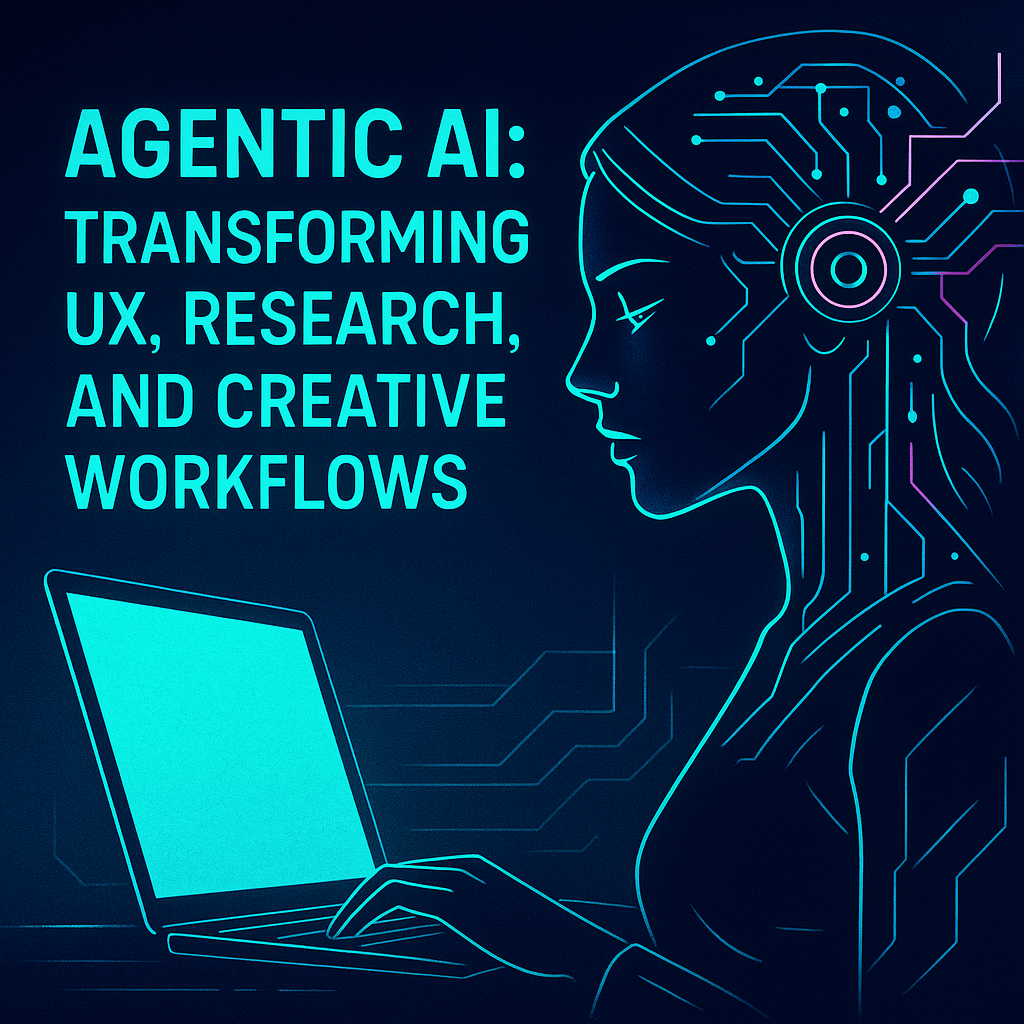
Agentic Adventures in AI
I’ve been keeping an eye on the AI scene lately, and one story that’s really caught my attention is the viral rise of Moltbot (formerly Clawdbot). Originally spotted on X, this open-source AI assistant is working its magic from within chat apps like Telegram and WhatsApp. As a UX designer, it got me thinking about how these agentic tools might reshape the way we interact with digital interfaces. Imagine an assistant that autonomously manages tasks for you—exciting, yet a little nerve-racking considering it holds full system access!
Moltbot’s ability to maintain context across sessions and take real actions is a glimpse into an agentic future. But natural questions arise: how can we design interfaces that ensure users feel in control while benefitting from such powerful functionalities? This balancing act between automation and security is something we, as designers, will increasingly need to address.
Innovative Scientific Workspaces
On a slightly different note, OpenAI has just launched Prism—an innovative, free scientific writing workspace that’s built around their latest reasoning model (read more here). While this tool is targeted primarily at research, its implications for digital product design are intriguing.
Prism integrates features like auto-generating citations and converting whiteboard sketches into formatted equations. For us in the design world, this represents a broader trend of AI assistants enhancing our workflow not just in creative design, but also in research and documentation. It’s a reminder that digital products are evolving to become more holistic, assisting with tasks ranging from ideation to execution.
Exploring Free AI Tools for Creative Workflows
If you’re always on the lookout for practical tools to boost your projects, Google Labs has been showing off a range of free AI tools designed to support everything from ad campaign creation to image iteration (check them out). Tools like Pomelli, Flow, and ImageFX are perfect examples of digital product design trends that help streamline content creation and visual storytelling.
For UX designers, these tools offer new ways to experiment with user interfaces and create engaging content without needing to dive too deeply into coding. I particularly appreciate the creative freedom these experiments provide – it’s almost like playing around in a digital sandbox where ideas can be tested quickly and iteratively.
Open-Source Breakthroughs: Moonshot’s K2.5
Another exciting development comes from Moonshot AI, with the launch of their open-source model Kimi K2.5 (read more here). This 1T-parameter model is turning heads for its impressive performance across coding, vision, and agentic benchmarks.
For those of us in the design business and digital product development, open-source initiatives like this remind us that collaboration and innovation are key. They offer cost-effective alternatives while pushing the boundaries of what’s possible with AI. It’s a gentle nudge for us to embrace open innovation—not just for developers, but for all design professionals looking to stay ahead of the curve.