
Agent-First Design: The New Frontier in UX
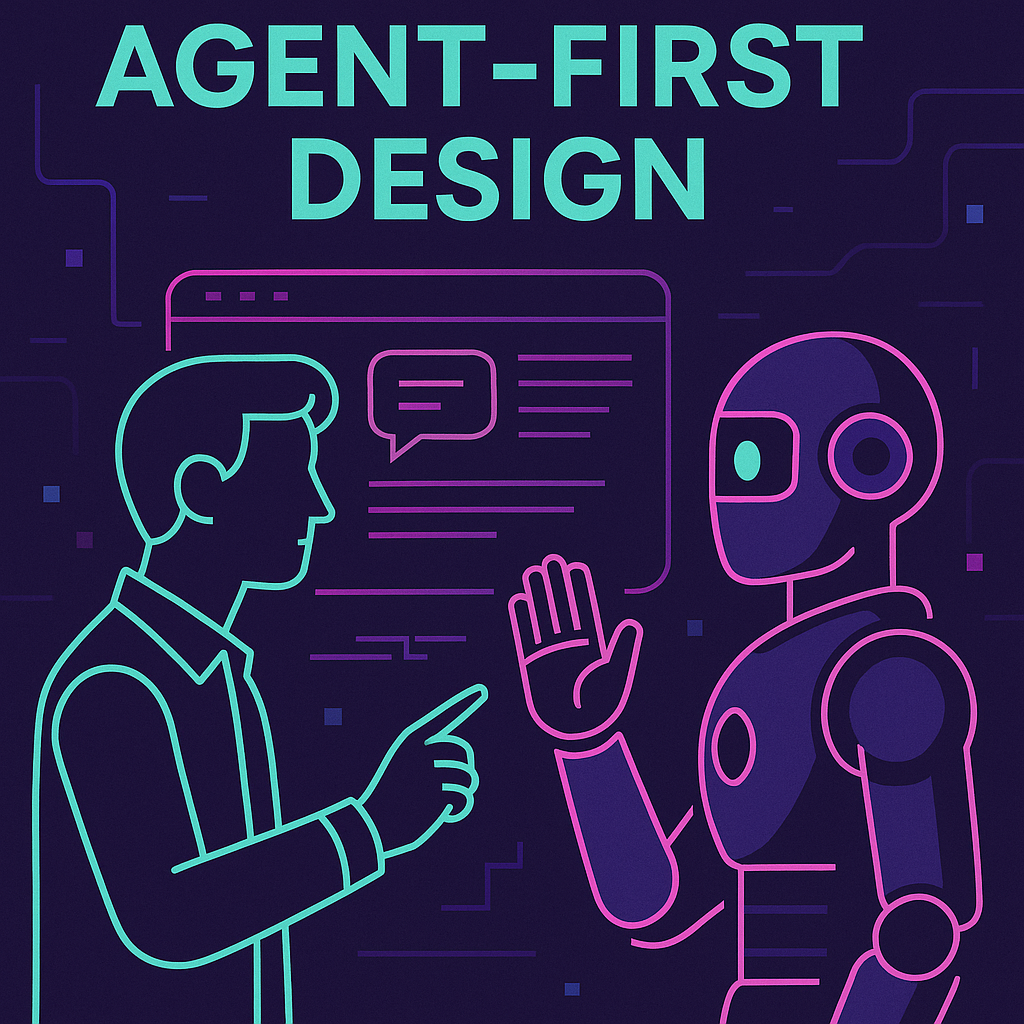
Good morning, folks – if you’re a designer wondering what’s next in our AI-driven world, you’re in for a treat. Recent conversations in the venture space point to a major shift in how we approach digital product design. One hot topic is the move from people-first to agent-first design, where interfaces aren’t just built for humans but also for AI agents that help mediate interactions. This means our UIs will soon have to serve two masters: actual users and the algorithms working behind the scenes (a bit like designing a party where the guest list includes both your mates and a very picky robot!).
From rethinking layouts to considering how information is prioritised, the agent-first approach challenges our traditional design logic. It also calls for clarity and consistency, so that even when algorithms drive decisions, the underlying narrative remains strong and human-centred. For designers, it’s an exciting opportunity to pair beautiful aesthetics with robust functionality.
Prompt-Free & Proactive Interfaces: Changing How We Interact
Another emerging trend is the arrival of prompt-free, proactive applications. Remember when we all needed to type commands or click a button to get things done? Apparently that phase is over. The next wave of AI tools are set to observe our behaviour and suggest actions even before we ask – imagine your design tool automatically offering layout variations as you work!
This shift is about eliminating friction. As Marc Andrusko suggests, the visible chat box or prompt is just training wheels. In its place, we’ll have intelligent scaffolding woven seamlessly into our workflows. For digital product designers, this means rethinking user engagement metrics too – the age of measuring success solely by screen time might soon be history, making way for outcome-based KPIs that truly reflect productivity and satisfaction.
Designing for Entrepreneurship & Business Agility
Beyond the interface tweaks, our field is seeing a strategic shift in how design supports business models and entrepreneurship. As Christine Choi puts it, when algorithms start mediating attention, “your story becomes your strategy.” For design professionals, translating narrative clarity into effective UX is becoming as important as visual finesse.
This perspective is particularly relevant for startups and digital product ventures looking to differentiate themselves. It’s no longer enough to craft a pretty interface; you need to embed trust and consistency into every pixel. Whether you’re developing a new enterprise tool or revamping a legacy CRM in the age of AI, recognising this paradigm shift can be your secret weapon. After all, in a future where both humans and bots are calling the shots, our designs need to speak clearly to both.