

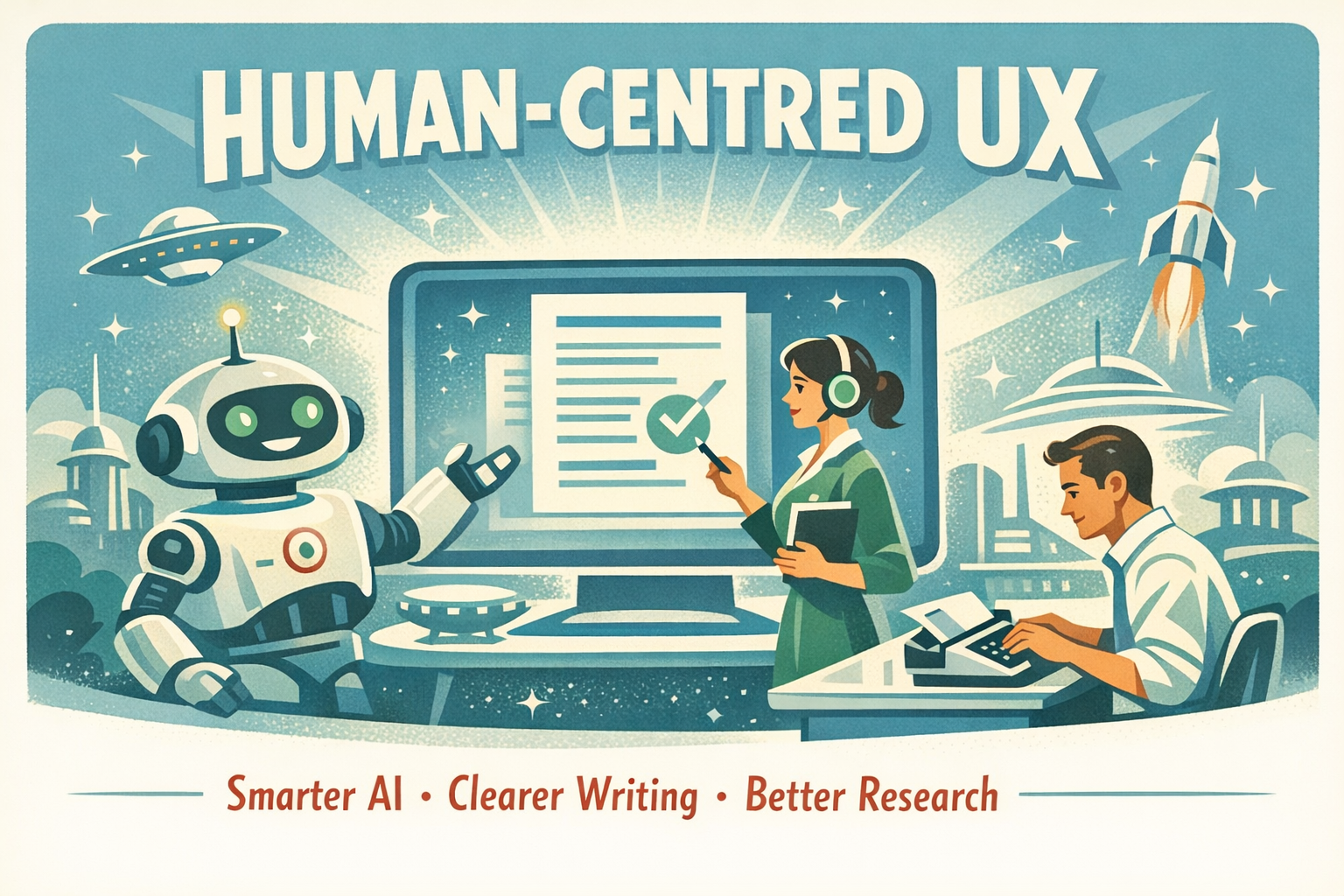
Embracing AI in Product Design
Hey folks, I’ve been deep-diving into some fascinating resources lately, and one piece that really grabbed my attention was Nielsen Norman Group’s “Designing AI Agents: 4 Lessons from China’s Qwen Agent”. It’s a refreshing reminder of how AI can be woven into our design processes without overwhelming users. What particularly stood out was the emphasis on offering redundant entry points while avoiding auto-filled options – a subtle nudge to keep interactions both intuitive and flexible.
The article suggests that while familiar UI patterns (think delivery app layouts) help users feel at ease, we must also adapt well-known components (like carousels) to present broader decision-making scopes. There’s a clear emphasis on transparency – from displaying minimal personal data to showcasing complete pricing clearly. Designers, this is a nudge to think carefully about every micro-interaction when incorporating AI into digital products. Check out the original insights here.
It’s all about finding that balance between leveraging AI’s power and maintaining a human-centred design.
UX Writing & Communicating Clearly
Another gem from the past day came via NN/g’s “UX Writing: FAQs from Practitioners”. I’ve always believed that language is as important as visuals in our work, and this piece reinforces that idea. The advice? Keep things plain and clear—write at a 6th to 8th grade level (yes, really!) and avoid letting jargon muddy the waters.
The article shares several actionable tips: use AI for drafting but always put on your creative cap when it comes to refining tone and ensuring brand consistency, and always lead with a clear answer especially for SEO and accessibility (AEO and GEO matter more than we think!). These tips serve as practical reminders to balance the efficiency of AI with the nuanced understanding only humans can offer. You can read more of these practical tips here.
This is a great call-to-action for those of us who’re continually honing our craft and looking to communicate more effectively with our users.
Sharpening UX Strategy and Research Skills
Lastly, I tuned into a quick four-minute video, “Inform Strategy as a UX Researcher”, which offered insights on balancing strategic and tactical research. It’s a reminder that our everyday studies have the potential to drive high-impact insights—if we know how to frame them correctly.
The video, available on YouTube, walks through when and how to deploy different research methods effectively. For anyone looking to refine their research skills and align them with broader business strategies, this is a must-watch.
Overall, these resources collectively underscore that whether it’s integrating AI into designs, refining our language, or boosting our research game, continuous learning is key. Give them a go and let me know how you plan to incorporate these ideas into your projects!