Geopolitics, pace, and what it means for design teams
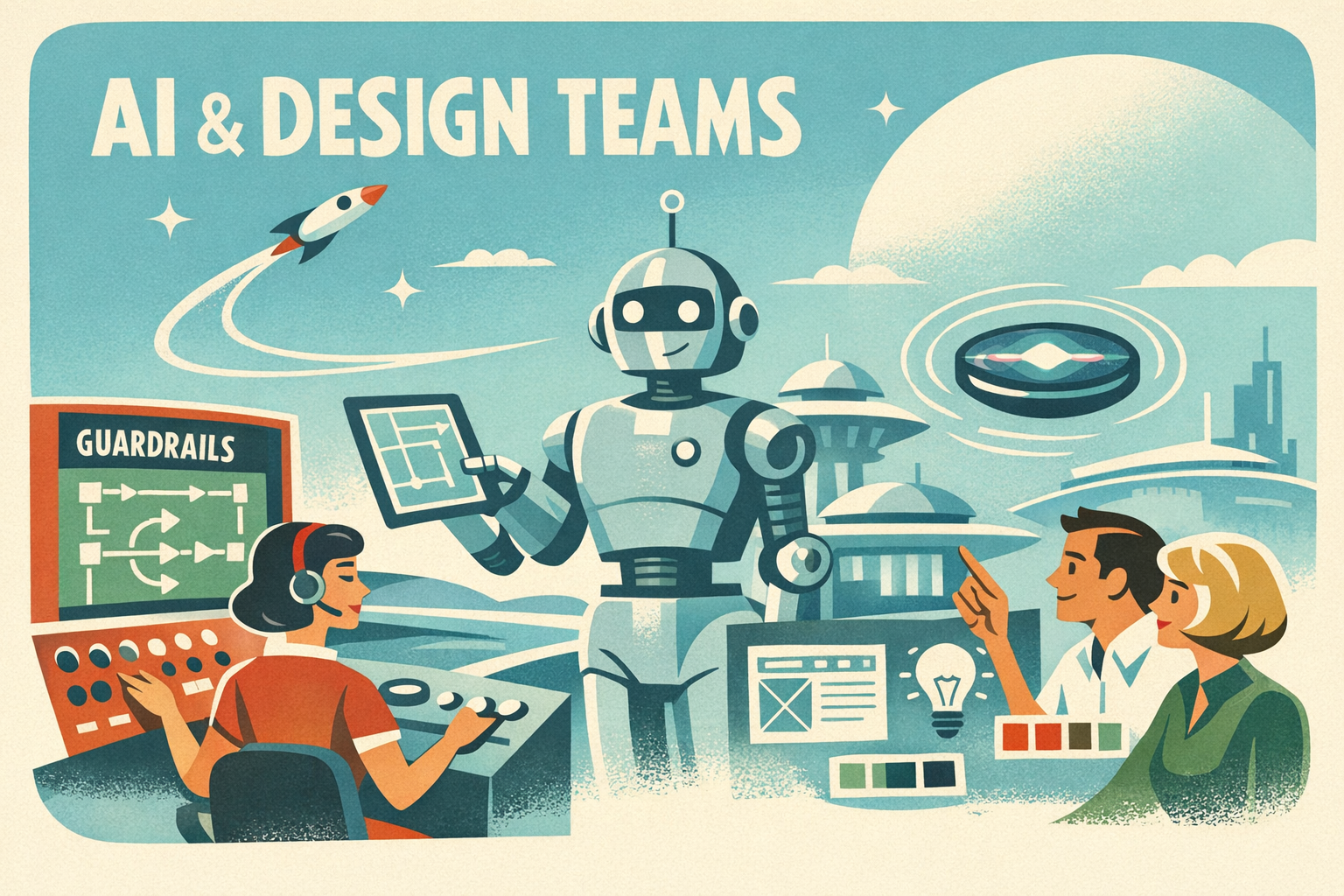
Morning read, and AI policy chatter is back in a loud way. The latest update from major outlets highlights how the US and China aren’t aligned on slowing frontier AI, with frontier CEOs advocating for guardrails while governments pull in different directions. It’s a reminder that policy and tech pace can influence how we plan research timelines, risk assessments, and the guardrails we bake into our products.
The key takeaway for designers is less about picking sides and more about building resilience into our workflows: document guardrails, plan for shifting regulatory expectations, and keep ethical considerations front and centre as you prototype. If you want the specific headlines, this AP News piece covers Trump, Beijing, and the slow-down debate in detail: Trump, Beijing both shoot down the AI slowdown.
In practice, that means frequent design reviews that explicitly address safety, data-use consent, and access controls, plus a lightweight process to revisit decisions as policy evolves. What we ship mid-cycle should be able to adapt to new guardrails without rework on every front. Designers, stay curious and stay prepared to document why certain safeguards exist.
Enterprise AI workflows: boosting design teams with smart tooling
Two practical tools popped from the newsletters that could actually save you time: enterprise-grade AI delegation and seamless content access. HubSpot’s AI Assistant Kit promises a ready-to-use Command Center, prompts, and an ROI calculator so you can quantify time saved and productivity gains. It’s a solid template for teams looking to offload routine tasks and keep focus on user research and iteration. See the kit here: AI Assistant Kit.
Meanwhile Box now lets you engage with Box content inside ChatGPT, making it easier to browse, preview, edit Box Notes, and action enterprise content without leaving your AI workspace. For designers juggling briefs, specs, and assets stored in Box, that kind of integration can streamline handoffs. Learn more: Box + ChatGPT integration.
Practical takeaway: experiment with one lightweight AI delegation tool and one content-integrating workflow to see if your design sprints gain speed without sacrificing security or context. If your team already uses these platforms, you’ve got a ready-made lever to push research, testing, and stakeholder updates forward.
AI-powered UX: devices and apps shaping tomorrow’s interfaces
Apple’s Siri AI upgrade is a notable moment for mainstream UX. iOS 27 introduces on-device models and a privacy-forward cloud hybrid, plus a new dedicated Siri AI app that can read screens, search messages, and act across apps—across devices too, with some gaps (EU/China rollout details aside). It’s a concrete example of how conversational UX is becoming a default layer in consumer interfaces. Read more in Apple’s newsroom: Siri AI upgrade.
For designers, that means thinking about how your apps expose context, prompts, and actions in a natural, cross-device flow. If Siri can orchestrate tasks across Messages, Mail, and Photos, what would your app look like when it’s asked to perform context-sensitive actions in real time? The upgrade signals consumer expectations for personal, proactive assistants and richer on-device experiences.
Bottom line: expect more proto-UX that blends reading context, intent, and multi-app actions. It’s worth sketching conversational UX patterns and privacy-conscious flows early in your design process.
Learning, explanations, and governance: building safer, clearer AI for teams
Two practical threads stood out for education and governance. First, Claude’s ELI5 skill shows how you can teach or test a model to explain complex topics simply, which can be handy when you need stakeholder buy-in or user education. The step-by-step guide walks you through installation, testing, and evaluation: Make any complex topic click with the ELI5 skill.
Second, Microsoft’s draft Code of Conduct for AI—centred on “Humanist AI”—highlights a design- and governance-facing perspective: models should be under human control, capable of being paused, and transparent about their reasoning trails. It’s not a finished rulebook yet, but it’s a useful touchstone for teams building or adopting MAI. See the draft here: Humanist AI Code of Conduct.
Takeaway for designers: embed explainability and safety checks into your AI workflows, test prompts for clarity, and build governance conversations into project kickoffs. Clarity now saves confusion later—and helps you ship better, safer experiences.